
10 Steps to Build a Cyber-Smart Team
Technology can block many threats, but your employees still make security decisions every day. They open emails, approve payments, share files, use cloud applications, and increasingly bring AI tools into their workflows. For businesses using managed IT services in Los Angeles, technology and employee awareness should work together. A strong […]
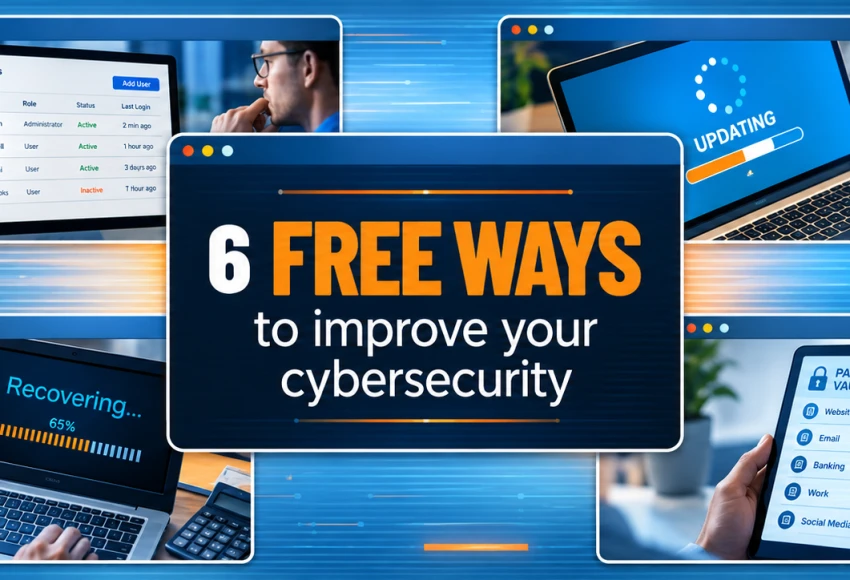
6 Free Cybersecurity Improvements You Can Make Today
Cybersecurity does not always begin with buying another product. Some of the most useful improvements come from tightening settings, removing access you no longer need, and making better use of tools you already have. If you have 10 to 100 employees and no dedicated security person, start here. These six […]

Your Biggest Cybersecurity Risk Might Be Inside the House
Some cybersecurity risks never have to break through your firewall. They already have access to your systems, files, applications, or business data. That does not mean your employees are the enemy. Many insider incidents come from mistakes, excessive access, shared credentials, unclear policies, or technology being used without oversight. For […]

Don’t Get Hooked: Understanding and Preventing Phishing Scams
Phishing prevention starts with a simple rule: do not rely on appearance alone. A convincing email, text, phone call, or QR code can still be fraudulent. Your business needs employee awareness, strong security controls, and a clear way to verify sensitive requests. If you are evaluating cyber threat protection for […]

Is Your Los Angeles Business Prepared? A Guide to Business Continuity Management
Business Continuity Management Los Angeles: Protect Your Operations and Secure Growth Unexpected power outages, severe weather, hardware failures, and sophisticated cyberattacks can bring business operations in Southern California to a sudden standstill. When systems crash unexpectedly, every minute of downtime costs valuable revenue, damages customer trust, and strains team productivity. […]

IT Solutions Services for Los Angeles Logistics Firms
Southern California’s fast-paced supply chain corridor requires stable, agile, and secure technical infrastructure. Local transportation, warehousing, and freight companies cannot afford outdated technology or laggy systems that disrupt warehouse management and dispatch portals. To maintain fluid operations and secure data, regional enterprises rely on premier business IT solutions in Los […]

Secure Technology Policies for Medical Practices
Technology policies are one of the most overlooked components of healthcare cybersecurity and HIPAA compliance. While firewalls, encryption, and endpoint security help protect patient information, written policies establish how employees should use technology, access electronic protected health information (ePHI), respond to cybersecurity threats, and safeguard patient privacy. Every medical and […]
Protecting Medical Practices from Ransomware
Ransomware attacks can disrupt patient care within minutes by locking access to Electronic Health Records (EHRs), scheduling systems, imaging platforms, billing software, and other critical technologies. The most effective response combines a well-rehearsed incident response plan, rapid system isolation, secure backups, cybersecurity expertise, and clear communication with staff, patients, and […]
HIPAA Compliance for Medical Practices
HIPAA compliance requires more than antivirus software or annual employee training. Healthcare organizations must continuously protect electronic protected health information (ePHI) through documented policies, risk assessments, secure technology, workforce training, and ongoing monitoring. This guide explains the safeguards auditors commonly review and provides a practical checklist to help medical practices […]
Technology Planning for Mergers and Expansion
Growth is exciting but it also introduces technology complexity. When accounting firms merge, acquire another practice, or open additional offices, leadership often focuses on staffing, clients, financial performance, and operations. Technology sometimes receives less attention until after the transaction is complete. Unfortunately, delayed technology planning can lead to unexpected costs, […]