
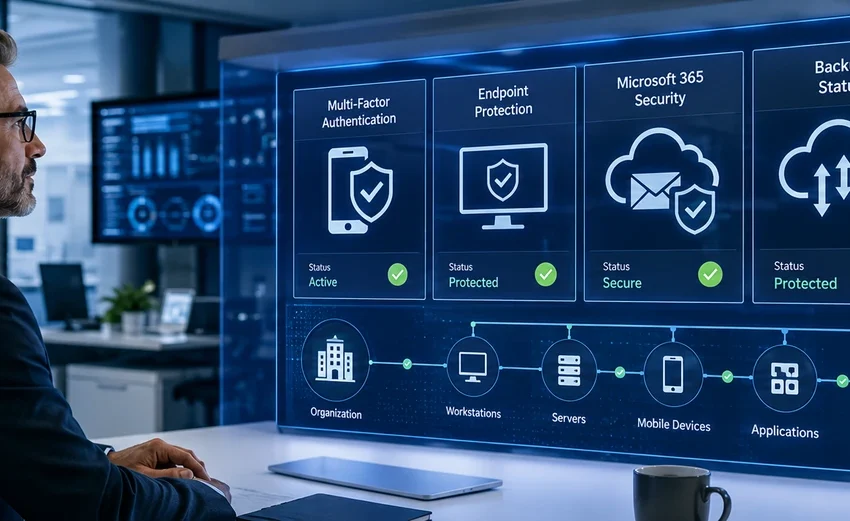
Healthcare Cybersecurity Checklist: Essential Security Controls Every Medical Practice Should Have
Cybersecurity is no longer just an IT concern. It's also an issue for patient care, business continuity, and operational resilience. Every healthcare organization should implement layered security controls that include Multi-Factor Authentication (MFA), Endpoint Detection and Response (EDR), secure backups, employee security awareness training, identity and access management, email security, vulnerability management, and a documented Incident Response Plan. This checklist will help your medical or dental practice identify strengths, uncover potential gaps, and prioritize improvements that support both patient trust and regulatory responsibilities.
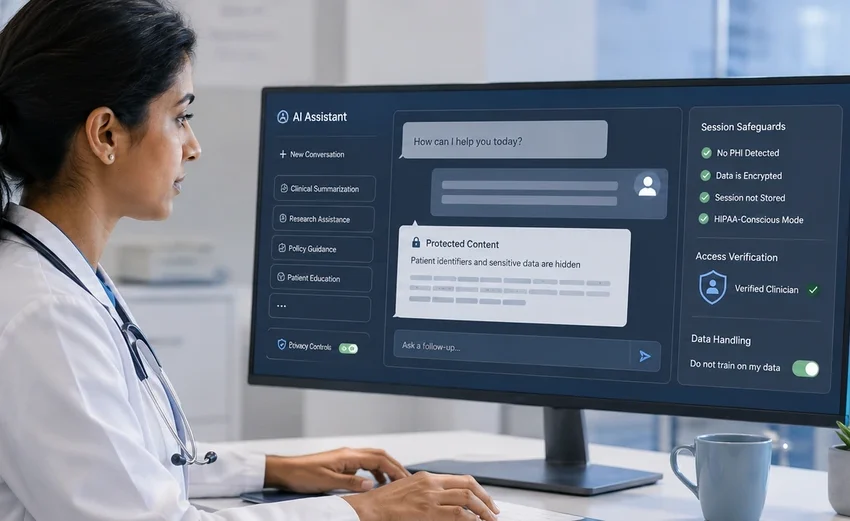
Can Healthcare Professionals Use AI Tools Like ChatGPT Without Violating HIPAA?
Yes… but only under the right circumstances. Healthcare professionals can use AI tools such as ChatGPT to improve productivity, assist with administrative tasks, brainstorm ideas, draft non-clinical content, and summarize publicly available information. However, entering Protected Health Information (PHI) into public AI tools without appropriate safeguards may create privacy, security, contractual, and regulatory concerns. Every healthcare organization should establish clear AI governance policies, educate employees, and evaluate AI platforms before incorporating them into clinical or business workflows.