

What Should a Medical Practice Do When Its Electronic Health Record (EHR) System Goes Down?
A practical guide to EHR downtime procedures, clinical continuity, technology recovery, and post-outage reconciliation.

Healthcare Digital Transformation: A Practical Guide for Medical Practices
Healthcare digital transformation is the strategic use of technology to improve patient care, operational efficiency, cybersecurity, collaboration, and long-term business performance. It goes beyond purchasing new technology by rethinking workflows, modernizing infrastructure, improving data management, strengthening security, and enabling healthcare organizations to adapt to changing patient expectations and industry demands.

What Is a Healthcare IT Assessment and Why Does Your Medical Practice Need One?
A Healthcare IT Assessment is a comprehensive evaluation of a medical organization's technology environment, cybersecurity posture, infrastructure, Microsoft 365 configuration, backup strategy, operational risks, and long-term technology planning. Rather than focusing on a single technical issue, an assessment provides leadership with a clear understanding of current strengths, identifies areas for improvement, prioritizes technology investments, and helps build a roadmap that supports patient care, business continuity, and organizational growth.

How Much Does Managed IT Cost for a Medical Practice
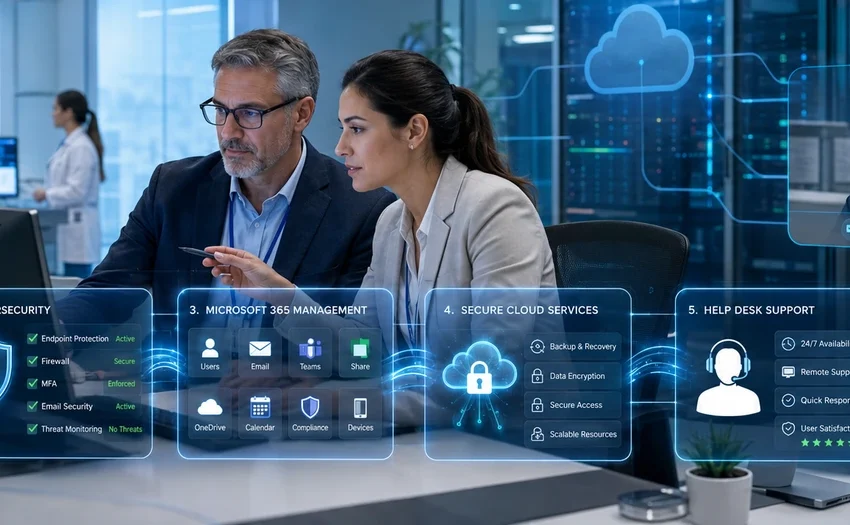
Managed IT Services provide healthcare organizations with proactive technology management rather than reactive computer repair. While services vary by provider, a comprehensive healthcare-focused Managed IT program typically includes 24/7 monitoring, help desk support, cybersecurity, Microsoft 365 management, backup and disaster recovery, vendor coordination, technology lifecycle planning, and strategic IT consulting. The goal isn't simply to fix problems; it's to reduce downtime, strengthen security, improve operational efficiency, and help healthcare organizations use technology to better support patient care.
What Does Managed IT Services Include for a Medical Practice
Managed IT Services provide healthcare organizations with proactive technology management rather than reactive computer repair. While services vary by provider, a comprehensive healthcare-focused Managed IT program typically includes 24/7 monitoring, help desk support, cybersecurity, Microsoft 365 management, backup and disaster recovery, vendor coordination, technology lifecycle planning, and strategic IT consulting. The goal isn't simply to fix problems; it's to reduce downtime, strengthen security, improve operational efficiency, and help healthcare organizations use technology to better support patient care.

How to Choose the Right IT Provider for Your Medical or Dental Practice
Choosing an IT provider isn't simply about finding someone who can fix computers. Your technology partner should help your organization improve cybersecurity, support regulatory obligations, minimize downtime, protect patient information, and align technology with your long-term business goals. Healthcare organizations should evaluate an IT provider's healthcare experience, cybersecurity capabilities, responsiveness, strategic planning approach, and ability to support both clinical and administrative operations, not just their monthly price.
Can Healthcare Professionals Use AI Tools Like ChatGPT Without Violating HIPAA?
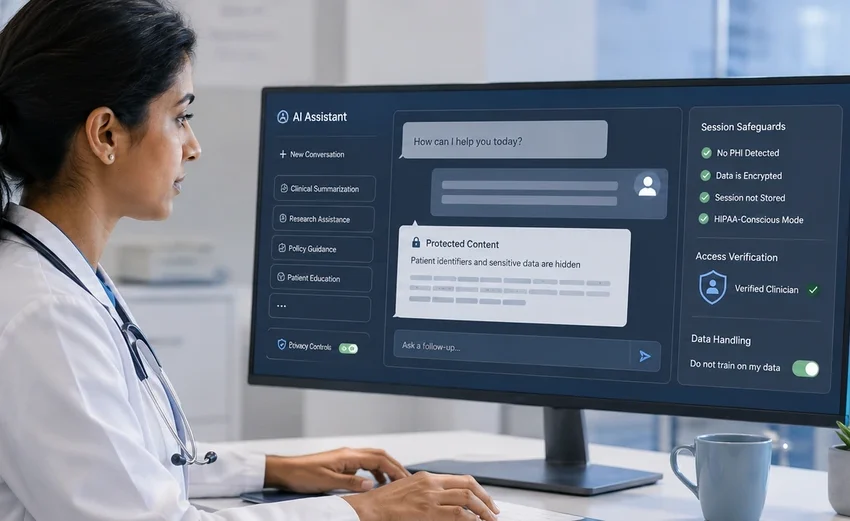
Yes… but only under the right circumstances. Healthcare professionals can use AI tools such as ChatGPT to improve productivity, assist with administrative tasks, brainstorm ideas, draft non-clinical content, and summarize publicly available information. However, entering Protected Health Information (PHI) into public AI tools without appropriate safeguards may create privacy, security, contractual, and regulatory concerns. Every healthcare organization should establish clear AI governance policies, educate employees, and evaluate AI platforms before incorporating them into clinical or business workflows.