

Microsoft 365 Security Best Practices for Healthcare Organizations
Microsoft 365 has become the productivity platform of choice for many healthcare organizations, supporting email, collaboration, document management, video conferencing, and cloud storage. While Microsoft provides a highly secure cloud platform, protecting your organization's Microsoft 365 environment remains a shared responsibility. Every healthcare organization should implement strong identity management, Multi-Factor Authentication (MFA), Conditional Access, data protection, email security, endpoint protection, and user awareness training to reduce cybersecurity risks and protect patient information.
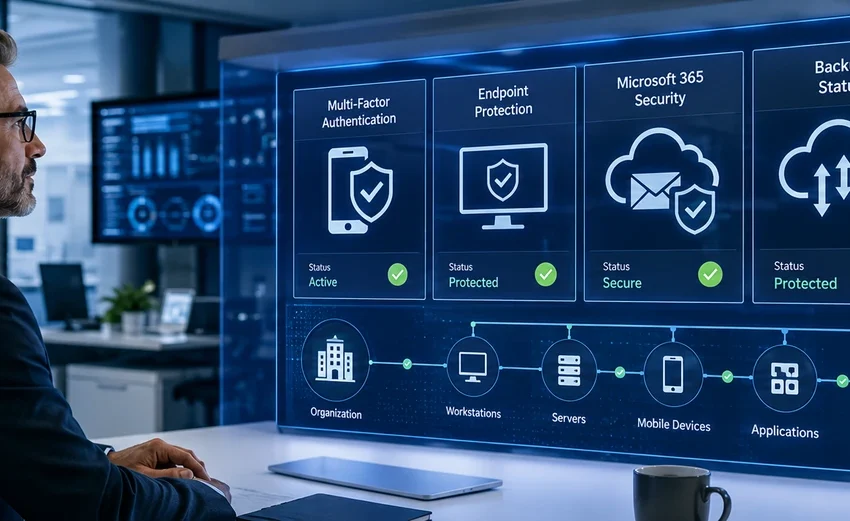
Healthcare Cybersecurity Checklist: Essential Security Controls Every Medical Practice Should Have
Cybersecurity is no longer just an IT concern. It's also an issue for patient care, business continuity, and operational resilience. Every healthcare organization should implement layered security controls that include Multi-Factor Authentication (MFA), Endpoint Detection and Response (EDR), secure backups, employee security awareness training, identity and access management, email security, vulnerability management, and a documented Incident Response Plan. This checklist will help your medical or dental practice identify strengths, uncover potential gaps, and prioritize improvements that support both patient trust and regulatory responsibilities.