

How to Choose the Right IT Provider for Your Medical or Dental Practice
Choosing an IT provider isn't simply about finding someone who can fix computers. Your technology partner should help your organization improve cybersecurity, support regulatory obligations, minimize downtime, protect patient information, and align technology with your long-term business goals. Healthcare organizations should evaluate an IT provider's healthcare experience, cybersecurity capabilities, responsiveness, strategic planning approach, and ability to support both clinical and administrative operations, not just their monthly price.
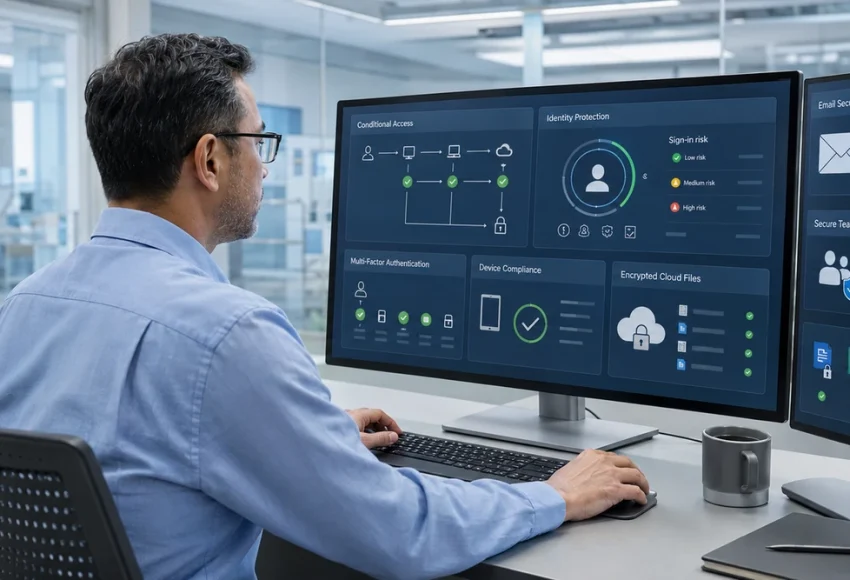
Microsoft 365 Security Best Practices for Healthcare Organizations
Microsoft 365 has become the productivity platform of choice for many healthcare organizations, supporting email, collaboration, document management, video conferencing, and cloud storage. While Microsoft provides a highly secure cloud platform, protecting your organization's Microsoft 365 environment remains a shared responsibility. Every healthcare organization should implement strong identity management, Multi-Factor Authentication (MFA), Conditional Access, data protection, email security, endpoint protection, and user awareness training to reduce cybersecurity risks and protect patient information.
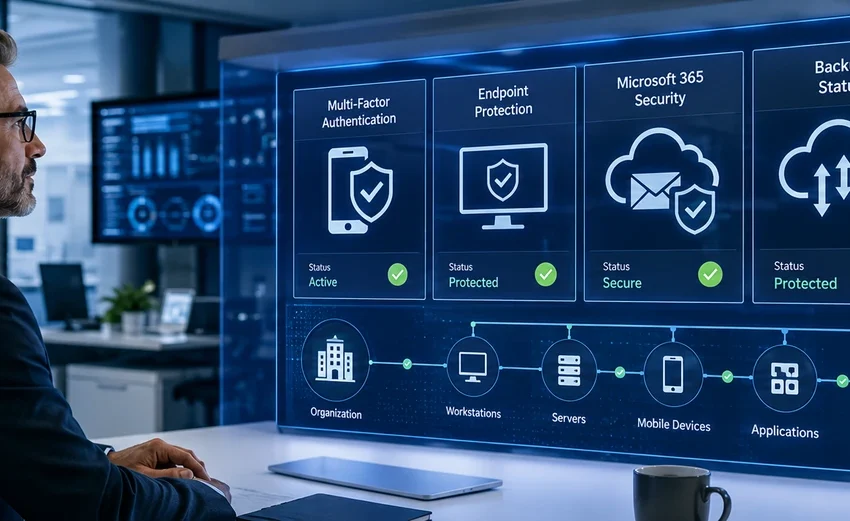
Healthcare Cybersecurity Checklist: Essential Security Controls Every Medical Practice Should Have
Cybersecurity is no longer just an IT concern. It's also an issue for patient care, business continuity, and operational resilience. Every healthcare organization should implement layered security controls that include Multi-Factor Authentication (MFA), Endpoint Detection and Response (EDR), secure backups, employee security awareness training, identity and access management, email security, vulnerability management, and a documented Incident Response Plan. This checklist will help your medical or dental practice identify strengths, uncover potential gaps, and prioritize improvements that support both patient trust and regulatory responsibilities.
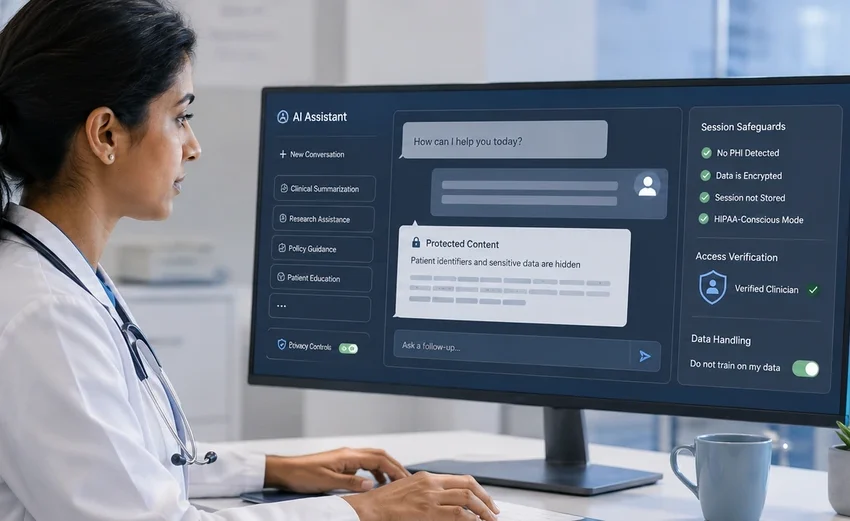
Can Healthcare Professionals Use AI Tools Like ChatGPT Without Violating HIPAA?
Yes… but only under the right circumstances. Healthcare professionals can use AI tools such as ChatGPT to improve productivity, assist with administrative tasks, brainstorm ideas, draft non-clinical content, and summarize publicly available information. However, entering Protected Health Information (PHI) into public AI tools without appropriate safeguards may create privacy, security, contractual, and regulatory concerns. Every healthcare organization should establish clear AI governance policies, educate employees, and evaluate AI platforms before incorporating them into clinical or business workflows.
Secure Technology Policies for Medical Practices
Technology policies are one of the most overlooked components of healthcare cybersecurity and HIPAA compliance. While firewalls, encryption, and endpoint security help protect patient information, written policies establish how employees should use technology, access electronic protected health information (ePHI), respond to cybersecurity threats, and safeguard patient privacy. Every medical and […]

Protecting Medical Practices from Ransomware
Ransomware attacks can disrupt patient care within minutes by locking access to Electronic Health Records (EHRs), scheduling systems, imaging platforms, billing software, and other critical technologies. The most effective response combines a well-rehearsed incident response plan, rapid system isolation, secure backups, cybersecurity expertise, and clear communication with staff, patients, and […]

HIPAA Compliance for Medical Practices
HIPAA compliance requires more than antivirus software or annual employee training. Healthcare organizations must continuously protect electronic protected health information (ePHI) through documented policies, risk assessments, secure technology, workforce training, and ongoing monitoring. This guide explains the safeguards auditors commonly review and provides a practical checklist to help medical practices […]

Technology Planning for Mergers and Expansion
Growth is exciting but it also introduces technology complexity. When accounting firms merge, acquire another practice, or open additional offices, leadership often focuses on staffing, clients, financial performance, and operations. Technology sometimes receives less attention until after the transaction is complete. Unfortunately, delayed technology planning can lead to unexpected costs, […]

Building an IT Budget for Your Accounting Firm
Many accounting firms build annual budgets around staffing, office operations, and business development but technology is often addressed only when equipment fails or unexpected cybersecurity issues arise. A more effective approach is to treat IT as a strategic investment. For accounting firms throughout Los Angeles County and Greater Los Angeles, […]

Co-Managed vs. Fully Outsourced IT
As accounting firms grow, technology becomes more complex. Microsoft 365, cybersecurity, cloud applications, compliance expectations, AI adoption, and business continuity all require specialized expertise that may exceed the capacity of a small internal IT team. For many firms throughout Los Angeles County and Greater Los Angeles, the decision is no […]